

KANDU FIELD GUIDE
By Naz & the Kandu team
Responsible whale shark encounters in the Maldives
A memorable whale shark encounter starts with giving the animal space. This guide explains Kandu’s approach to choosing an encounter, entering the water calmly and knowing when to step back, with original photos and footage from our team.
What makes an encounter responsible?
At Kandu, wildlife comes first. We never touch, feed or chase wildlife, and we avoid crowding animals. Before entering the water, listen to your guide and follow their instructions. We enter gently, move calmly and observe the animal’s behaviour throughout the encounter.
We aim to keep around 4–5 metres from whale sharks. Our guides adjust the encounter to the animal’s behaviour and follow applicable site rules. A good encounter gives the animal room to continue on its way.
Why we sometimes step back
For Naz, witnessing crowded encounters is part of why Kandu’s approach matters. The story video below shows boats and many swimmers gathered around a whale shark. It explains why seeing wildlife should come with respect for the animal’s space.
If an animal appears uncomfortable or changes its behaviour in response to our presence, we end the encounter. If another boat’s guests enter the water during a whale shark encounter, we stop swimming with the animal to avoid adding to the crowd and give others space.
What a quieter encounter can look like
We seek encounters away from other groups wherever possible. The quieter encounter video below was filmed on an occasion when Kandu’s group was alone, as described by Naz. Other boats may arrive, so an encounter without other groups cannot be guaranteed.
Our photos and short clips offer different views of whale sharks and swimmers in the water. They accompany our approach: gentle entry, calm observation and room for the animal to move.
Questions to ask before booking
Does the operator explain how guests should behave before entering the water?
Are touching, feeding and chasing wildlife prohibited?
How does the guide manage viewing distances and crowding?
Will the team end an encounter when the animal appears uncomfortable?
What happens when other boats and swimmers arrive?
Ask for clear examples of how these principles are put into practice. Read Kandu’s wildlife-first approach for our wider encounter principles.
Whale shark trip FAQs
Will we be the only group in the water?
We look for quieter opportunities wherever possible, but the ocean is shared and other operators may arrive. We step back from crowding rather than extend an encounter at the animal’s expense.
How large are Kandu’s expedition groups?
Our own scheduled expeditions welcome a maximum of 14 guests. Education is central to the experience: our local team helps guests understand marine life and behave respectfully around it.
Are whale shark sightings guaranteed?
No. Wildlife activity, weather and sea conditions shape each expedition. Our guides choose daily plans using local knowledge and recent observations.
Explore with Kandu
Our Maldives Ocean Expedition is a seven-day, six-night journey led by our local Maldivian team. Find the trip details, inclusions and dates on the expedition page, or ask us about your plans.
VIEW THE MALDIVES EXPEDITION · OUR RESPONSIBLE TRAVEL PRINCIPLES · ASK KANDU ON WHATSAPP
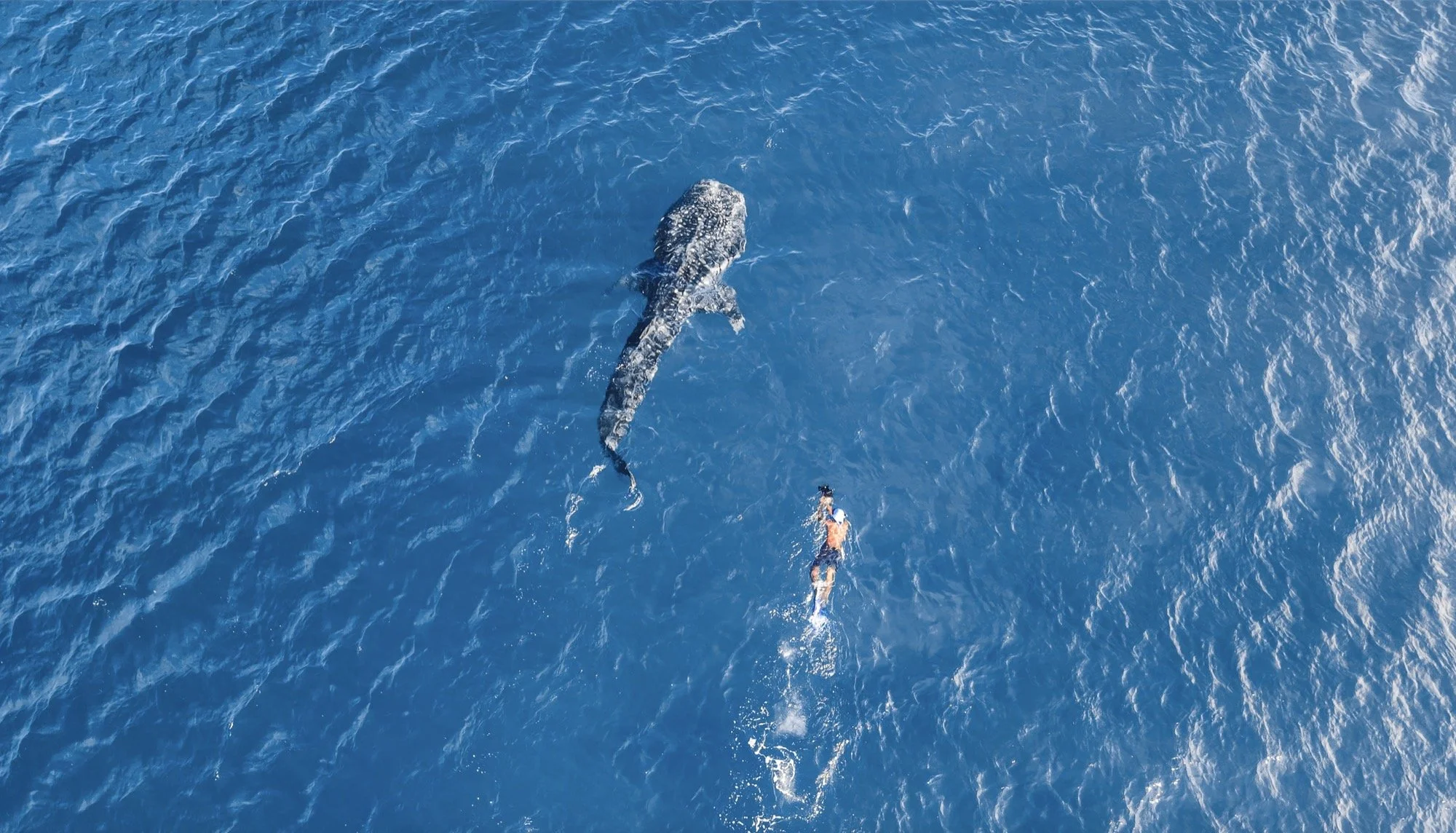
Whale shark and swimmer seen from above during a Kandu Maldives encounter.
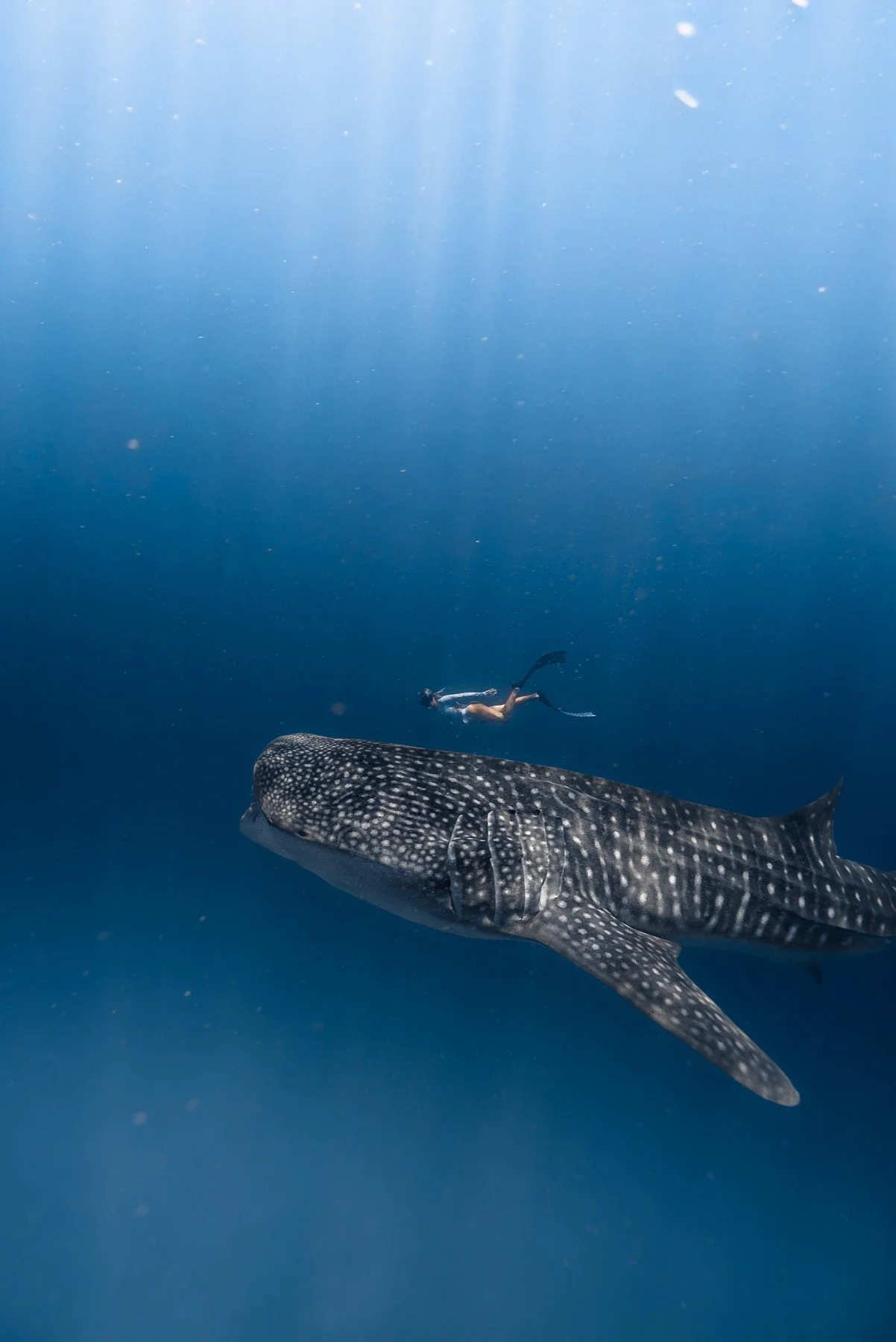
Underwater view of a whale shark with a swimmer in the background. Original Kandu encounter photography.
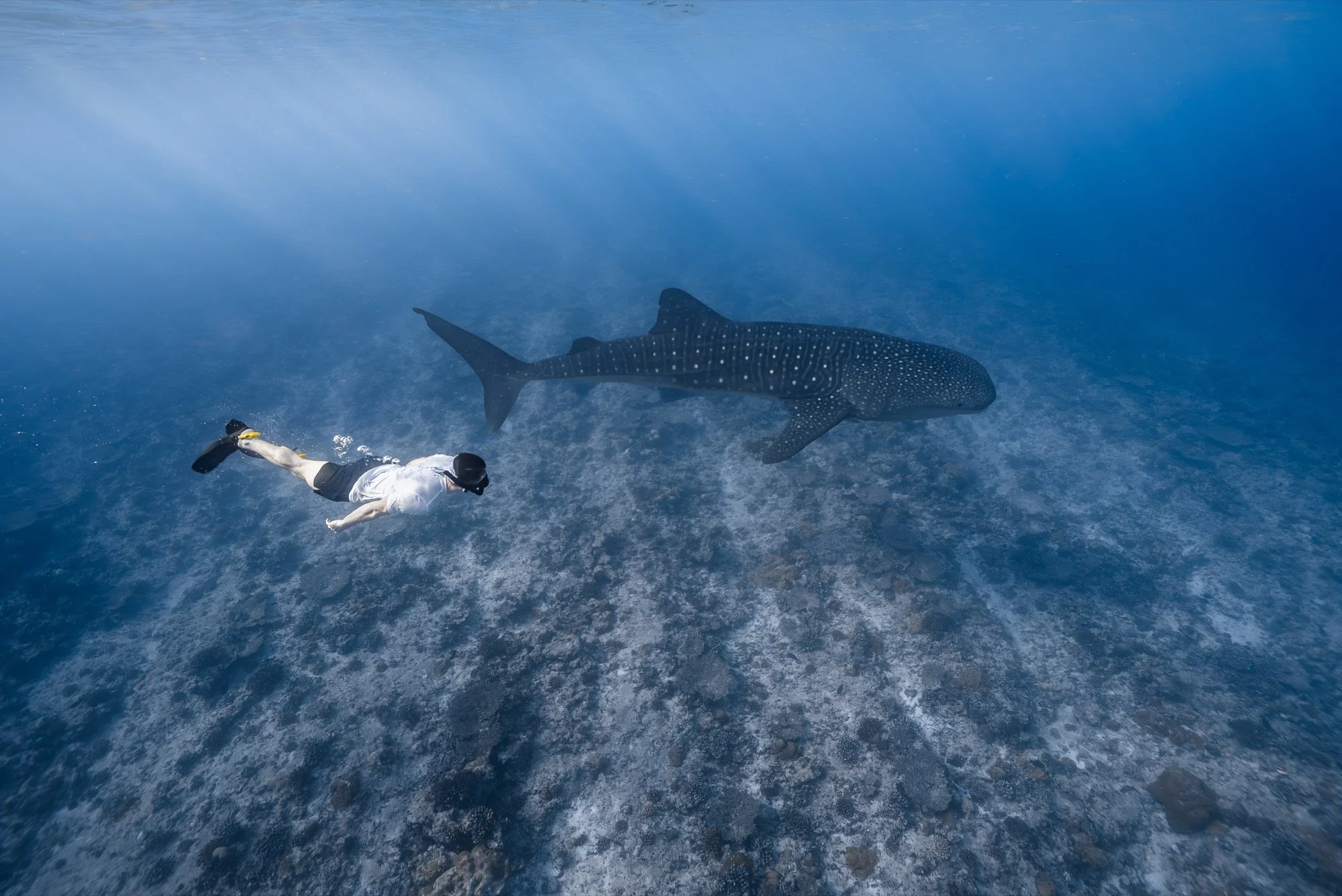
A swimmer observing a whale shark above the reef during a Kandu Maldives encounter.
Why space matters
Watch Naz’s story about crowded encounters, followed by Kandu’s quieter encounter footage. The animal’s space comes first.
Why we step back: Naz’s story about crowded whale shark encounters and putting wildlife first. Original Kandu video.
A quieter encounter: original Kandu footage from an occasion when our group was alone, as described by Naz.
More moments from the water
Two short aerial clips from Kandu’s whale shark encounters, showing the wider setting around the animal and our group.
Aerial perspective: a short original Kandu reel showing the wider setting of a whale shark encounter.
The wider ocean setting: original Kandu aerial footage of a whale shark encounter.